
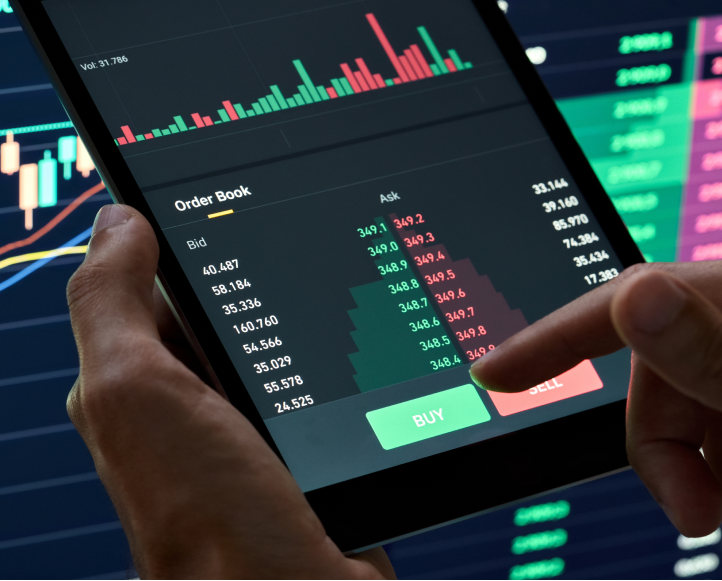
In-Depth Crypto Trading Analysis: Strategies, Trends, and Insights
Cryptocurrency has evolved dramatically since the inception of Bitcoin in 2009. As more individuals and institutions dive into the world of digital assets, understanding the nuances of crypto trading analysis is crucial. This article provides an extensive overview of strategies, tools, and key indicators that can be leveraged to make informed trading decisions. You can find useful guidelines on SEO by visiting Crypto Trading Analysis https://mantaw.com/7-seo-rules-of-thumb-you-can-always-count-on/.
Understanding Crypto Markets
The cryptocurrency market operates 24/7, unlike traditional stock markets. Its decentralized nature and the use of blockchain technology contribute to its volatility and potential for high returns. Understanding market dynamics is essential for traders at all levels, from novices to seasoned professionals. Key market participants include retail investors, institutional players, and market makers, each of whom plays a role in price determination.
Technical Analysis vs. Fundamental Analysis
In crypto trading, there are two primary analytical approaches: technical analysis (TA) and fundamental analysis (FA). Technical analysis involves examining price charts and using various indicators to predict future price movements. Common tools include moving averages, Relative Strength Index (RSI), and Fibonacci retracement levels.
On the other hand, fundamental analysis focuses on the underlying value of a cryptocurrency. This approach includes assessing a project’s whitepaper, the development team, market necessity, and adoption rates. Understanding both TA and FA can provide traders with a well-rounded view of the market.

Key Indicators in Crypto Trading
Several indicators can aid traders in making educated decisions. Here are some of the most effective ones:
- Moving Averages: They help smooth out price data to identify trends over a specific period. The Simple Moving Average (SMA) and Exponential Moving Average (EMA) are the most commonly used.
- Relative Strength Index (RSI): This momentum oscillator measures the speed and change of price movements to identify overbought or oversold conditions.
- Volume: Analyzing trading volume can provide insights into the strength of a price movement. Higher volumes during price increases are often viewed as bullish, while high volumes during price drops may indicate bearish signals.
- Bollinger Bands: These bands adjust themselves to market volatility. When the prices break the bands, it can indicate a continuation or a reversal of a trend.
Chart Patterns
Chart patterns are visual representations of price action and can help traders identify potential market reversals or continuations:
- Head and Shoulders: This pattern signals a reversal and consists of three peaks, with the middle peak being the highest.
- Double Tops and Bottoms: Double tops indicate a bearish reversal, while double bottoms suggest bullish reversal.
- Triangles: These patterns indicate consolidation and can be bullish or bearish depending on the breakout direction.
Developing a Trading Strategy
Crafting a solid trading strategy is pivotal for success in crypto trading. Here are key components to consider:
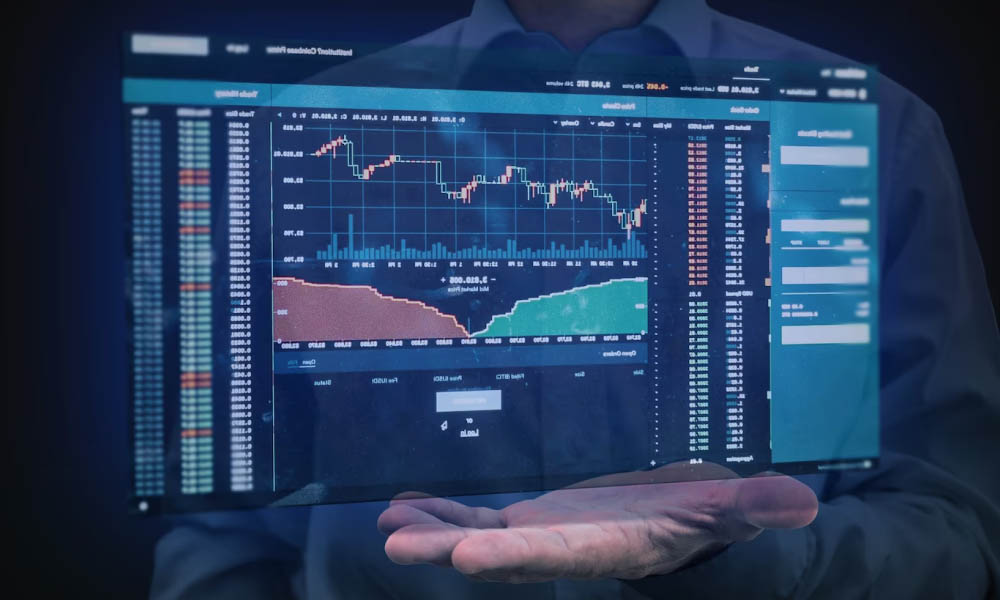
- Risk Management: Establishing how much capital to risk on each trade and setting stop-loss and take-profit levels is vital to protect your investment.
- Trade Plan: Define entry and exit points based on your analysis. Stick to your plan to avoid emotional trading.
- Continuous Learning: The cryptocurrency landscape is ever-changing. Stay informed about market trends, new technologies, and regulatory developments to adapt your strategy accordingly.
Psychology of Trading
The psychological aspect of trading is often overlooked, yet it significantly impacts decision-making. Emotions such as fear and greed can lead traders to deviate from their strategies. Having a trading journal can help regulate emotions and provide useful feedback on trading behavior. Moreover, techniques such as mindfulness and relaxation can assist traders in maintaining focus and discipline.
Common Mistakes in Crypto Trading
To enhance your trading skills, it’s crucial to recognize common pitfalls. Some frequent mistakes include:
- Overtrading: Trading too frequently can lead to transaction costs eating into profits.
- Lack of Research: Investing without thorough research can result in unnecessary losses.
- Failure to Diversify: Putting all funds into a single asset increases risk significantly. A diversified portfolio can mitigate risks.
Conclusion
Crypto trading analysis is a multi-faceted discipline that requires knowledge, experience, and psychological resilience. By harnessing technical analysis, understanding market fundamentals, and developing a disciplined trading strategy, traders can increase their chances of success in the highly volatile crypto market. Remember, continuous learning and adaptation are key in this fast-evolving landscape.
As you embark on your trading journey, maintain a balance between analytical rigor and emotional health. Building a solid foundation of knowledge will empower you to navigate the complexities of crypto trading effectively.