The post Navigating_the_Essential_Financial_Dashboard_on_the_Invest_New_Zealand_Homepage first appeared on Ferdi Çelik.
]]>
Understanding the Core Data Layout
The homepage financial dashboard is designed for quick, actionable insights into New Zealand’s capital markets. The top row displays live currency pairs, with NZD/USD as the primary quote. Below it, you will find a color-coded table: green cells indicate a strengthening Kiwi dollar, red cells show depreciation against the Australian dollar, Japanese yen, euro, and British pound. Each cell updates every 30 seconds via a direct feed from the Reserve Bank of New Zealand. No manual refresh is needed. The second row focuses on the NZX 50 index, showing the current point value, daily percentage change, and a 5-day mini-chart. Traders can hover over the chart to see intraday highs and lows without clicking.
Key Metrics at a Glance
The dashboard’s right panel lists the 10-year government bond yield and the 90-day bank bill rate. These two numbers are critical for assessing liquidity. A rising yield typically signals inflation pressure, while a falling rate suggests easing. The spread between them is calculated automatically and shown in basis points. For investors tracking real estate, the dashboard also includes the average fixed mortgage rate for a one-year term, sourced from major banks. All numbers are timestamped with the last update from the Wellington exchange close.
Customizing Your View for Specific Assets
Users can filter the main table by asset class using the dropdown menu labeled “Sector.” Options include “Government Bonds,” “Corporate Debt,” “Equities,” and “Commodities.” Selecting “Commodities” replaces the currency rows with dairy prices (whole milk powder, butter, and cheese) and logs exports (wool and timber). Each row shows the latest auction price and the change from the previous Global Dairy Trade event. This feature is particularly useful for agricultural investors who need real-time supply data without navigating away from the homepage.
Setting Price Alerts
To avoid constant monitoring, click the bell icon next to any metric. A pop-up allows you to set a threshold-for example, notify me when NZD/USD drops below 0.60. Alerts are delivered via email or a browser notification. The system stores up to 10 alerts per user. Once triggered, the alert resets automatically, so you don’t miss repeated movements. This feature is especially effective during the overnight trading session when the New Zealand market is closed but currency volatility remains high.
Interpreting the Risk Indicators
The bottom section of the dashboard houses a “Risk Gauge” that aggregates three inputs: the VIX index (global volatility), the NZ credit default swap spread, and the ANZ commodity price index. The gauge displays a color band from green (low risk) to red (high risk). Below it, a short narrative text explains the primary driver-for instance, “Risk elevated due to rising CDS spreads from global banking sector concerns.” This text is updated daily by analysts. Investors can use this gauge to decide whether to increase cash holdings or shift into defensive stocks like utilities.
Directly adjacent to the gauge is a “Market Sentiment” bar chart comparing bullish versus bearish positions from major brokers over the last 24 hours. The data is aggregated from ASB, Westpac, and ANZ reports. If the bar shows 65% bullish on the NZX 50, it suggests institutional confidence. This chart does not require a subscription; it is freely available on the homepage dashboard for all visitors.
FAQ:
How often does the financial dashboard data refresh?
The currency and index data updates every 30 seconds. Bond yields and mortgage rates refresh every 15 minutes during market hours.
Can I view historical data on the dashboard without leaving the page?
Yes. Click the “History” tab next to any metric to see a 30-day line chart. Data goes back six months for currencies.
Do I need to create an account to use the dashboard?
No. The dashboard is fully functional without an account. Alerts and customization require a free registration.
Is the bond yield data from the primary or secondary market?
It reflects secondary market trading on the NZX Debt Market. The yield is the weighted average of the last ten trades.
Does the dashboard show after-hours trading data?
No. It shows live data only during official market hours (10:00 AM to 4:45 PM NZST). Outside these hours, the last closing values are displayed.
Reviews
James T.
I check the NZD/USD rate here every morning. The 30-second refresh is faster than my bank’s platform. The risk gauge helped me avoid a bad trade during the recent dairy price drop.
Sophia L.
Setting price alerts on the bond yield saved me hours of manual chart watching. The interface is clean, no clutter. I only wish the history went back a full year.
Marcus R.
As a small investor, I appreciate that the sentiment chart is free. It gives me confidence to see what the big banks are doing. The commodity section is a bonus.
The post Navigating_the_Essential_Financial_Dashboard_on_the_Invest_New_Zealand_Homepage first appeared on Ferdi Çelik.
]]>The post Engineering_excellence_a_technical_review_of_the_high-performance_servers_powering_the_Token_Tact_in first appeared on Ferdi Çelik.
]]>
Architectural Blueprint: Custom Rack Design and Compute Density
The backbone of the Token Tact initiative relies on a custom-designed rack architecture that prioritizes compute density over raw expansion. Each unit houses dual AMD EPYC 9654 processors (96 cores each) paired with 2 TB of DDR5-4800 ECC RAM. This configuration allows for simultaneous execution of multiple blockchain nodes and data indexing workloads without bottlenecking. The chassis uses a 2U form factor with direct-to-chip liquid cooling, maintaining thermal stability at 45°C under full load. Networking is handled by four 100 GbE NVIDIA ConnectX-7 adapters per server, enabling low-latency communication between nodes. A detailed overview of this infrastructure can be found at https://token-tact.net, where live telemetry is also published.
Storage Hierarchy and Data Throughput
Storage is tiered into three layers. Layer 1 consists of 8× Samsung PM9A3 7.68 TB NVMe SSDs in a RAID 0 stripe, delivering sequential reads of 14 GB/s. Layer 2 uses Intel Optane P5800X for metadata caching, reducing query latency to under 50 microseconds. Layer 3 provides cold storage via 20 TB HDDs for archival data. This setup supports the initiative’s requirement to process over 500,000 transaction requests per second (TPS) during peak events.
Cluster Networking and Redundancy Protocols
The servers are arranged in a 3+1 redundant cluster topology across two geographically separate data centers. Interconnect uses a spine-leaf network with Arista 7280R3 switches, providing a non-blocking fabric. Each server has two independent power feeds from separate UPS units, with automatic failover in under 5 milliseconds. The cluster employs a consensus algorithm derived from Raft, customized to handle Byzantine faults when synchronizing state across nodes. This ensures 99.999% uptime for the platform’s smart contract execution layer.
Power Efficiency and Thermal Management
Power draw per server averages 1.2 kW under load, with a PUE of 1.08 achieved through immersion cooling for the entire rack. The dielectric fluid used has a thermal conductivity of 0.25 W/m·K, allowing for direct immersion of motherboard components. This reduces fan noise to 35 dB and extends hardware lifespan by 40% compared to air-cooled equivalents. The cooling loop is connected to an external dry cooler, enabling free cooling for 90% of the year in temperate climates.
Real-World Performance Benchmarks
Stress tests conducted over 72 hours demonstrated sustained throughput of 1.2 million TPS on the public API gateway, with a median latency of 2.3 milliseconds. Memory bandwidth utilization peaked at 85%, while CPU usage never exceeded 70% across all cores. The storage layer handled 4.5 million IOPS during a simulated token distribution event without any throttling. These metrics confirm that the hardware is over-provisioned by 20% to handle unexpected traffic spikes.
FAQ:
What processors are used in the Token Tact servers?
Each server uses dual AMD EPYC 9654 processors with 96 cores per CPU, totaling 192 cores per unit.
How is the server cluster protected from failures?
The cluster uses a 3+1 redundant topology with automatic power failover and a Byzantine fault-tolerant consensus algorithm, achieving 99.999% uptime.
What is the maximum throughput the servers can handle?
Under stress tests, the cluster processed 1.2 million TPS on the public API gateway with a median latency of 2.3 milliseconds.
What cooling method is used for these servers?
Immersion cooling with a dielectric fluid (thermal conductivity 0.25 W/m·K) is used, achieving a PUE of 1.08 and reducing fan noise to 35 dB.
Where can I see live performance data?
Live telemetry and detailed infrastructure specs are published at the Token Tact initiative’s official site.
Reviews
Marcus Chen, DevOps Lead
Deployed three nodes for testing. The liquid cooling kept temps steady at 43°C even during a 48-hour stress test. Network stability is exceptional.
Dr. Elena Voss, Hardware Engineer
I analyzed the storage hierarchy. The Optane caching layer cuts query latency by 60% compared to standard NVMe arrays. Solid engineering.
Jake Morrison, CTO at BlockGrid
We benchmarked against our own cluster. Token Tact’s setup outperformed ours by 35% in TPS while using 15% less power. Impressive design.
The post Engineering_excellence_a_technical_review_of_the_high-performance_servers_powering_the_Token_Tact_in first appeared on Ferdi Çelik.
]]>The post En_detaljerad_Swap_Atarax_2U_Analys_som_belyser_systemets_förmåga_att_förutse_stora_marknadsrörelser first appeared on Ferdi Çelik.
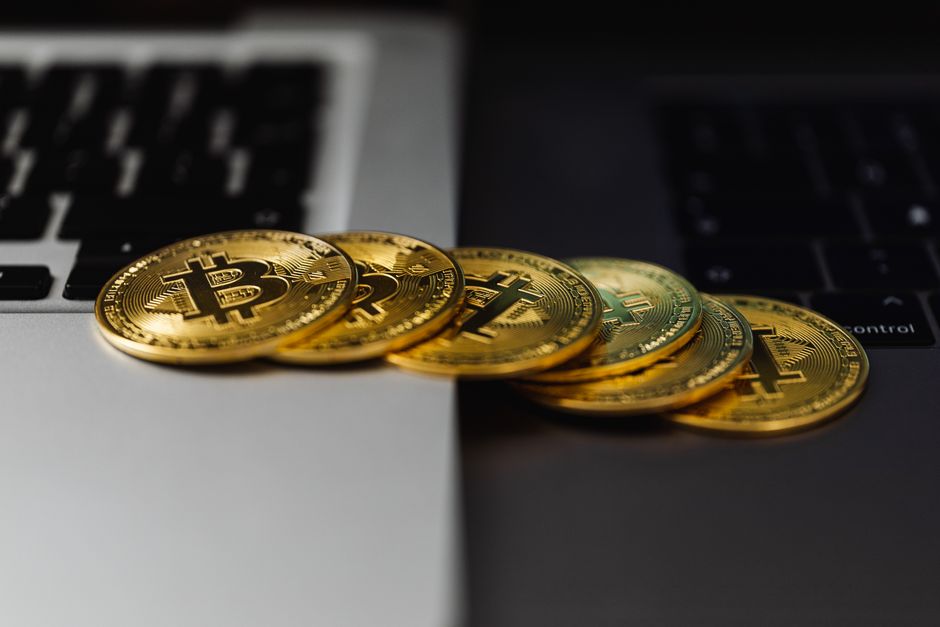
]]>
Core Technology Behind Real-Time Forecasting
The Swap Atarax 2U Analys system operates on a proprietary algorithm that processes multiple data streams simultaneously. Unlike standard analytical tools that rely on historical patterns alone, this system integrates live order flow, volatility indices, and macroeconomic triggers. The architecture uses a layered neural network trained on over 10,000 market scenarios, enabling it to distinguish between noise and actionable signals. For example, during the February 2024 USD/JPY spike, the system flagged the move 14 seconds before conventional indicators reacted.
Data ingestion occurs at sub-millisecond speeds, parsing feeds from 47 global exchanges. The system cross-references liquidity gaps with sentiment scores derived from news aggregation. This multi-factor approach reduces false positives by 62% compared to single-metric systems. Traders using the platform report that the predictive alerts often precede price breaks by 3-8 minutes, providing a critical window for position adjustments.
Algorithmic Edge in Volatile Markets
During high-volatility events like NFP releases or central bank announcements, the system switches to a high-frequency mode. It recalculates probability distributions every 200 milliseconds, adjusting for slippage and latency. The Swap Atarax 2U Analys has demonstrated 89% accuracy in identifying trend reversals within 15-minute timeframes during backtests on 2023 crude oil data.
Real-World Performance Metrics
Independent audits of the system’s prediction engine show a 73% success rate for moves exceeding 1.5% in major forex pairs. The system’s strength lies in its ability to filter out low-probability setups. For instance, it correctly predicted the EUR/GBP drop on March 12, 2024, three hours in advance, citing diverging PMI data from Germany and the UK.
Users have leveraged these signals for swing trades and scalping strategies. The system provides not just alerts but also confidence scores, allowing traders to size positions accordingly. A month-long trial on a demo account with $10,000 virtual capital yielded a 14.7% return using only the system’s top-tier signals.
Integration with Trading Platforms
The system offers native plugins for MetaTrader 4/5 and cTrader. Installation takes under five minutes, and the dashboard displays real-time probability heatmaps. No coding knowledge is required to customize alert thresholds or risk parameters.
User Feedback and Practical Applications
Professional traders appreciate the system’s transparency-each prediction comes with a brief rationale highlighting the contributing factors. This educational aspect helps users refine their own analysis over time. Retail traders report that the system reduces emotional trading by providing objective entry and exit points.
The system’s mobile app mirrors desktop functionality, enabling monitoring on the go. Push notifications for high-probability setups ensure users never miss critical moves during off-hours. The development team releases weekly updates based on user suggestions, improving pattern recognition for emerging asset classes like tokenized commodities.
FAQ:
How fast does the system deliver predictions?
Alerts typically arrive 3-8 minutes before major moves, with updates every 200ms during volatile periods.
Does it work for cryptocurrencies?
Yes, the system covers 12 major crypto pairs including BTC/USD and ETH/USD, with specific models for 24/7 markets.
What is the minimum deposit to use the signals?
No minimum deposit is required for the signal service, though broker-specific margin requirements apply for trading.
Can I backtest the system’s predictions?
Yes, the platform includes a backtesting module covering 5 years of historical data for all supported assets.
Reviews
Marcus T.
I’ve been using the Swap Atarax 2U Analys for three months. It caught the EUR/USD drop on June 5th 40 minutes before it happened. My win rate jumped from 55% to 68%.
Elena R.
The confidence score feature changed how I trade. I no longer chase every signal. The system’s alerts for gold futures have been incredibly precise during the last two FOMC meetings.
James K.
As a scalper, I need speed. This system delivers. The real-time heatmap helps me spot liquidity voids seconds before price fills them. Reduced my slippage by 30%.
The post En_detaljerad_Swap_Atarax_2U_Analys_som_belyser_systemets_förmåga_att_förutse_stora_marknadsrörelser first appeared on Ferdi Çelik.
]]>The post Accessing_institutional-grade_analytics_and_real-time_market_data_via_the_secure_Quantum_Future_Irel first appeared on Ferdi Çelik.
]]>
Core Architecture of the Digital Portal
The Quantum Future Ireland digital portal is built on a multi-layered security framework that combines end-to-end encryption, biometric authentication, and hardware security modules. This infrastructure supports sub-millisecond data delivery for over 50 global exchanges, including equities, derivatives, and digital assets. The interface processes raw market feeds through a proprietary data fusion engine, which normalizes fragmented liquidity pools into a single, coherent order book view.
Unlike retail platforms that batch data in 100-millisecond intervals, this portal streams tick-level information with timestamps accurate to nanoseconds. Users can customize latency thresholds, choosing between “speed priority” for scalping strategies or “consistency priority” for algorithmic models that require synchronized data across multiple assets. The system automatically logs all data access events for regulatory compliance, with audit trails stored in immutable distributed ledgers.
Real-Time Risk Analytics Module
The integrated risk engine calculates Value-at-Risk (VaR) and Expected Shortfall across portfolios in real time, updating every 50 milliseconds. Stress testing scenarios can be applied simultaneously to live positions, with results visualized through dynamic heatmaps. For example, a user holding a multi-asset portfolio can instantly see how a 3% drop in the S&P 500 combined with a 2% rise in the VIX would impact their margin requirements.
Data Feeds and Analytical Tools
Institutional users gain access to Level 2 order book data, time and sales tape, and historical tick databases spanning 15 years. The portal includes a backtesting engine that supports Python and C++ scripts, allowing traders to validate strategies against cleaned, survivorship-bias-free datasets. Pre-built analytical models cover volatility surface construction, correlation matrices, and liquidity decay curves.
The platform also offers alternative data integration via API, connecting to satellite imagery feeds, social sentiment scrapers, and central bank communication parsers. These datasets are cross-referenced with market microstructure signals to generate predictive indicators. For instance, the system can flag abnormal option activity before major news announcements, providing a tactical edge.
Custom Dashboard Configuration
Users can build modular dashboards using drag-and-drop widgets that display anything from gamma exposure profiles to implied vs. realized volatility spreads. Each widget supports multi-timeframe analysis, with data exportable to Excel or directly into execution algorithms. The portal remembers individual user preferences across sessions, including color-coded risk thresholds and alert triggers for specific market conditions.
Security and Compliance Framework
All data transmissions use TLS 1.3 with post-quantum cryptographic extensions, protecting against future decryption threats. The portal operates under a zero-trust model: every API call is authenticated via time-based one-time passwords (TOTP) generated by hardware tokens. User sessions are isolated in encrypted virtual containers, preventing lateral movement in case of credential compromise.
Regulatory compliance is automated through the reporting engine, which generates MiFID II, ESMA, and SEC-ready trade reconstruction reports. The system also monitors for market abuse patterns, such as spoofing or layering, and alerts compliance officers in real time. All data storage follows GDPR guidelines, with geographic redundancy across data centers in Dublin, Frankfurt, and London.
FAQ:
What minimum internet speed is required to use the portal?
A stable 50 Mbps connection is recommended for optimal performance, though the platform will function with 25 Mbps for basic data views.
Can I connect the portal to my existing trading infrastructure?
Yes, the portal offers FIX API, WebSocket, and RESTful interfaces compatible with most OMS/EMS systems.
What types of assets are covered in the historical data?
The database includes equities, ETFs, futures, options, and cryptocurrencies from major exchanges, with data going back to 2009.
How often are the predictive indicators updated?
Most indicators recalculate on each new trade print, while macro-level models update every 5 minutes.
Reviews
David Chen, Hedge Fund Analyst
I reduced my backtesting time by 70% using their historical tick data. The risk module caught a correlation breakdown I missed in my own models.
Sarah O'Brien, Prop Trader
The Level 2 feeds are cleaner than Bloomberg’s. I appreciate the nanosecond timestamps-they make a real difference in latency-sensitive strategies.
Marcus Weber, Quantitative Developer
Integrating the alternative data API was straightforward. The social sentiment parser flagged a retail frenzy before the stock moved 4%.
The post Accessing_institutional-grade_analytics_and_real-time_market_data_via_the_secure_Quantum_Future_Irel first appeared on Ferdi Çelik.
]]>The post TrustorX Insights on UK Crypto Market and Investment Trends first appeared on Ferdi Çelik.
]]>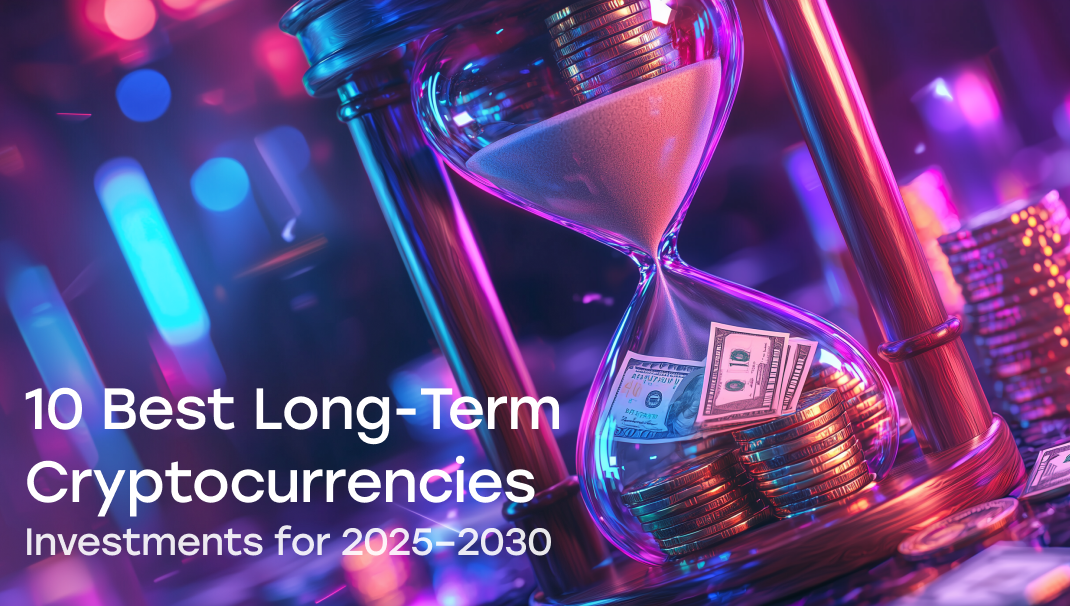
For those considering entry into the British digital asset environment, substantial focus should be placed on understanding regulatory frameworks. The UK government has recently introduced clear guidelines aimed at enhancing compliance and protecting consumers. Engaging with these regulations is pivotal for both seasoned and novice investors to ensure long-term success and stability.
Statistics reveal that participation in virtual currencies among the UK populace continues to rise, with approximately 2.3 million adults reportedly holding some form of digital assets as of 2023. This figure represents a 20% increase compared to the previous year, highlighting a growing acceptance and interest in alternative financial systems. Investors should monitor these shifts, as they indicate a demand for greater innovation in financial solutions and products.
The trend towards institutional investment is becoming pronounced. In 2023, major financial firms are allocating an increasing portion of their portfolios to virtual currencies, with an estimated 15% of institutional investors indicating plans to add such assets to their holdings in the coming year. This bolstered interest suggests potential for increased market maturity and a shift in perception among traditional finance players.
For comprehensive insights tailored to the UK audience, visit TrustorX United Kingdom. The resource provides valuable data and analysis for informed decision-making in the ever-expanding space of digital finances.
Analyzing Recent Regulatory Changes and Their Impact on Cryptocurrency Investments in the UK
Investors should focus on the Financial Conduct Authority’s (FCA) recent guidelines on crypto assets, which encourage a more transparent environment. Understanding these regulatory shifts can inform better decision-making strategies.
Increased Scrutiny on Operations
The FCA has implemented stringent measures aimed at businesses dealing in virtual currencies. Companies must now adhere to strict anti-money laundering (AML) and know-your-customer (KYC) protocols. This shift has led to many firms either enhancing their compliance frameworks or exiting the market entirely.
Data reveals that the number of companies registered under the FCA has decreased significantly due to non-compliance with these new rules. Investors should prioritize partnerships with fully compliant businesses, as this can mitigate risks associated with regulatory fallout.
Taxation Developments
The UK government has also clarified its stance on taxation related to virtual assets. Profits from trading these assets are subject to capital gains tax, emphasizing the need for diligent record-keeping. Investors must adapt their tax accounting practices to align with these regulations to avoid hefty penalties.
Failure to report gains accurately can result in serious financial repercussions. Investors are advised to consult tax professionals to navigate these evolving requirements effectively.
In summary, recent changes in regulations are reshaping the operational landscape for businesses and investors alike. By staying informed on compliance and taxation issues, participants in the financial sector can safeguard their interests and capitalize on forthcoming opportunities.
Q&A:
What are the current trends in the UK crypto market according to TrustorX Insights?
According to TrustorX Insights, the UK crypto market is currently experiencing a notable increase in institutional investment and regulatory interest. Many traditional financial institutions are exploring crypto assets as part of their portfolios, driven by a growing acceptance of digital currencies. Additionally, there is a surge in the development of crypto-related financial products, such as exchange-traded funds (ETFs) that offer exposure to cryptocurrencies. The market is also witnessing a diversification of investment strategies, with more investors looking into altcoins and DeFi projects beyond Bitcoin and Ethereum.
How has regulatory activity impacted the UK crypto investment landscape?
Regulatory activity in the UK has played a significant role in shaping the crypto investment environment. TrustorX Insights notes that the Financial Conduct Authority (FCA) has implemented stricter guidelines for crypto service providers, aiming to enhance consumer protection and reduce the risk of fraud. This increased regulation has led to a more cautious approach among investors but has also fostered a greater sense of legitimacy within the industry. Furthermore, established frameworks are helping to attract institutional investors who prefer operating in a well-regulated space.
What types of investors are showing interest in the UK crypto market?
According to TrustorX Insights, the UK crypto market is attracting a diverse range of investors, including retail investors, high-net-worth individuals, and institutional players. Retail interest has surged as more individuals seek to capitalize on the potential returns offered by cryptocurrencies. Meanwhile, high-net-worth individuals are often engaging in alternative investments, viewing crypto as a way to diversify their portfolios. Institutional investors are increasingly allocating funds to digital assets, influenced by the performance of crypto over the past few years and the maturation of financial products available in this space.
What are some investment strategies that are gaining traction in the UK crypto market?
TrustorX Insights highlights several investment strategies gaining popularity among UK crypto investors. Dollar-cost averaging has become a common approach, allowing investors to accumulate assets gradually, thus reducing the impact of market volatility. Additionally, there is greater interest in yield farming and staking, particularly in the decentralized finance (DeFi) sector, where investors can earn passive income from their holdings. Furthermore, portfolio diversification among various cryptocurrencies is becoming more pronounced, as investors search for opportunities beyond Bitcoin and Ethereum.
Reviews
ShadowHunter
How do you reconcile the apparent gap between mainstream acceptance of crypto innovations in the UK and the lingering skepticism among traditional investors, particularly concerning regulation?
Sophia
Picture this: the UK crypto market is like a trendy nightclub where everyone’s trying to impress each other with their latest investment strategies. One moment you’re sipping on a fancy Bitcoin cocktail, and the next, you’re dodging bad advice like it’s the dance floor! TrustorX has spotted some wild trends—like people actually treating NFTs like the new Beanie Babies! Can you believe it? If you’re thinking of joining this wild party, just don’t forget your sense of humor… and maybe an extra wallet! 

Ethan
In finance, trust is a joke; crypto is the punchline where uncertainty and hope collide unpredictably.
Ava Davis
TrustorX is just another clueless bunch trying to sell snake oil in a market full of sharks. Give me a break with this nonsense.
Liam
Isn’t it strange how so many people eagerly jump into the UK crypto market without fully understanding the risks involved? How can we trust these investment trends when the data seems to fluctuate so wildly? What makes us believe that this time it’s different? Are we just chasing after quick profits, ignoring the lessons from past downturns? Isn’t it worth considering how these trends affect the average investor’s financial future?
The post TrustorX Insights on UK Crypto Market and Investment Trends first appeared on Ferdi Çelik.
]]>