The post Nonprofit operating budget: 4 steps to get started first appeared on Ferdi Çelik.
]]>
Get an idea of who the granting bodies are, who they typically choose to support, and how much funding they have to offer. And if you are lucky enough to end up with a surplus, you may have an opportunity to use these funds to invest in land or office space, hire additional employees or update your technology. Or you can decide to increase the reach of your organization with more international programs or run more campaigns in order to attract more volunteers to your cause. No matter what, it’s always nice to see a surplus and think about how to use it most effectively to build your organization even stronger.
- Does your nonprofit use small equipment, software subscriptions, or office supplies?
- Many nonprofits strategically select their fiscal year to align with their operational rhythm.
- Although any changes in operations can either cause problems or provide solutions, without the proper financial management a financial budget provides your always in limbo.
- Our template offers a comprehensive financial overview, covering both revenue and expenses in detail.
- This can be a more time-consuming and difficult process, but it can also lead to a more accurate and transparent budget.
steps to nonprofit budgeting 
- In short, for nonprofits, where every dollar has a purpose, efficient budgeting is highly important.
- Unlike standard budgeting, your priority as a nonprofit is to consider project goals from the perspective of donors and stakeholders rather than generating profits.
- This can have some advantages, as it can be easier to get an idea of what has been spent in the past and can help to predict future spending.
- Creating lasting relationships with your suppliers and partners will save you time, energy, and even money!
- Understanding nonprofit budgeting is only one part of the equation; accurate accounting practices are equally essential.
If you want to hire a new marketing director, you can look up salary trends to discover how much you need to pay them. A better way to understand how much you should pay staff is by analyzing the industry standards for certain positions. Check out Keela’s guide to nonprofit salaries to understand more about what to pay your team. Operating margins are much more critical for companies as they demonstrate whether sales are efficiently being turned into profits. This for-profit margin is typically calculated by dividing a company’s operating income by its net sales. Every organization is different and therefore requires an extra degree of operating efficiency.
- However, this approach to budgeting presents a great opportunity to bring in and unite various perspectives.
- Having your program directors carefully create budgets for each of their programs will knock out a big portion of the data you need to produce an overall nonprofit budget.
- The first is to make sure that all of the expenses are covered by the income of the organization.
- Budgeting allows boards to put limits on certain expenses as necessary and work to increase income sources early when it looks like there may be a shortfall.
- While it might be less than ideal to underspend when your organization has the capacity to spend more, it’s far worse to overestimate fundraising or grants and end up scrambling to cover costs.
The Balancing Act: Revenue vs. Expenses
By reviewing and adjusting budgetary goals and projections regularly, nonprofits can ensure they remain aligned with their mission, address emerging needs, and adapt to the evolving landscape. Be sure to include these expenses if the organization needs to rent or maintain a physical location for its operations. If your nonprofit can operate remotely, you may be able to save a considerable amount of money in this category. Nonprofits have to walk a fine line between funding their fundraising and funding their mission efforts—be sure to think through this balance carefully. Finding sponsors for your events can help you earmark a larger portion of your fundraising for your mission program expenses. Include revenue you expect to generate from fundraising events, grant proposals, individual donations, corporate sponsorships, and other sources of funding.

Financial Ratios

Each stakeholder provides unique insights into the organization’s priorities and operational needs. For example, program https://greatercollinwood.org/main-benefits-of-accounting-services-for-nonprofit-organizations/ managers can offer details about anticipated costs, while financial officers can provide an overview of past income trends. There are a number of tools that can assist in creating a nonprofit budget.
- This is why it usually makes sense to go with a total platform like Paybee that already includes specialized tools specifically created for charities like yours.
- To help you avoid these pitfalls, here are some essential budgeting best practices to keep your nonprofit financially stable and mission-focused.
- This resource is an overview of the concepts and management decisions needed to calculate the true costs of activities for a nonprofit and also a how-to guide for the accompanying spreadsheet template.
- Operating budgets are typically developed and implemented on a yearly basis, according to an organization’s specific fiscal year.
- Modern solutions like predictive analytics can help you visualize past and future scenarios and are often built into commercially available nonprofit accounting solutions.
Nonprofit budgeting follows a similar process, except you’re projecting revenue and expenses for your entire organization. At the same time, balancing mission-driven initiatives with responsible financial management is key to ensuring your nonprofit’s long-term sustainability. Creating and managing a nonprofit budget is more than a financial task; it’s a strategic process that enables your organization to align resources with mission-driven goals. This guide is designed to help nonprofits of all sizes master the art of budgeting. We’ll provide a step-by-step process to create an effective budget, offer examples for various budget types, and address common challenges with actionable solutions. You’ll also find downloadable templates to streamline The Key Benefits of Accounting Services for Nonprofit Organizations the process and empower your team to hit the ground running.

How to Set Up Your Nonprofit Accounting System RIGHT So it Helps You Grow

Revenue diversification requires strategic planning, creativity, and a willingness to adapt. In the following section, we will delve into budgeting practices that can aid nonprofits in managing their financial resources effectively. For a charity nonprofit like Harmony Hearts Initiative, travel and logistics expenses represent a critical part of the overall charity nonprofit operating costs. These expenses are vital in ensuring that essential services and goods reach remote or underserved areas where they are needed most.

Once the initial budget is drafted, review it with stakeholders to identify potential gaps or misallocations. Make necessary adjustments to ensure the budget is both realistic and aligned with organizational priorities. Tom is a multi-disciplined leader with over a decade of experience in nonprofit operations, technology leadership in government, and over two decades of servant leadership.
The post Nonprofit operating budget: 4 steps to get started first appeared on Ferdi Çelik.
]]>The post Nonprofit Net Assets: What They Are and Why They Matter first appeared on Ferdi Çelik.
]]>
General-purpose financial statements classify and report net assets in two groups—net assets with donor restrictions and net assets without donor restrictions—based on the existence or absence of donor-imposed restrictions. In order to split net income Retail Accounting and retained earnings into the net asset accounts appropriate for our purposes, we need a little work-around. To prepare this entry, you will need to determine what the new ending balances need to be. Let’s consider a fictional example to illustrate the concept of unrestricted net assets in a nonprofit organization.

Understanding and Managing Setup Costs for Financial Efficiency
Also, I suggest consulting your accountant for guidance on how to handle Unrestricted Net Assets, including whether to remove the account or not. The way this was set up is with individual “classes” instead of accounts and I need to provide each class it’s own Transaction Detail by Account. This is for a high school with different clubs and advisors who need to see their transactions in detail.
- Some donors contribute funds for a specific purpose; others contribute funds for the agency to use for any reason.
- Also, I suggest consulting your accountant so they can guide you on how to deal with Unrestricted Net Assets whether to remove the account or not.
- When donors see that their unrestricted gifts are being used effectively to further the organization’s mission, they are more likely to feel confident in their investment and may even become advocates for the cause.
- When funds are reclassified, they are typically reported as revenue in the unrestricted net assets section.
- Unrestricted net assets are a crucial aspect of financial management, especially for organizations like nonprofits and corporations.
- For example, if a donor provides funds for a specific project that has been completed, the remaining funds can be reclassified.
Understanding Unrestricted Assets:

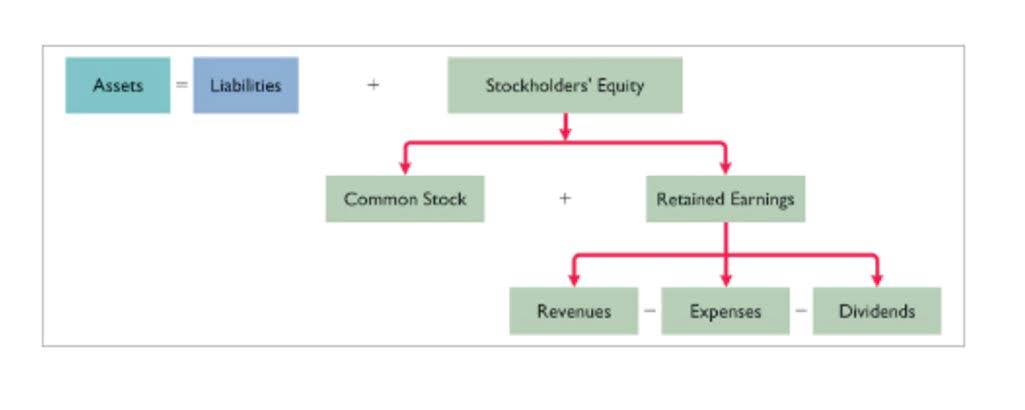
All net assets that are not restricted (without donor restrictions) can be used by the organization as its board sees fit. In addition to reporting restricted and unrestricted net assets separately, it’s important to consider them separately when creating your nonprofit’s annual operating budget. unrestricted net assets If you only look at your net assets as a whole, you might accidentally overestimate your organization’s spending capabilities or allocate restricted funds toward expenses they weren’t designated for. They are important because they provide organizations with the flexibility to respond to unexpected needs or opportunities. For example, if a natural disaster strikes, an organization with strong unrestricted net assets will be able to quickly accessed the funds needed to provide relief. In contrast, an organization with weak unrestricted net assets may have to scramble to find the money, which could delay or prevent them from providing assistance.
- Limited flexibility in financial strategy can also impact an organization’s ability to attract potential investors or secure financing for strategic projects.
- Simultaneously, a credit entry is made to the unrestricted net assets account, increasing its balance to reflect the newly available funds.
- In addition to financial planning, fostering a culture of transparency and accountability within the organization is vital.
- By utilizing this formula, nonprofit organizations can gain a clear picture of the resources that are truly available for their use without any restrictions.
- Your nonprofit’s net assets figure into a wide range of financial management activities at your organization, so it’s important to understand the concept.
Unrestricted Net Assets and Fiscal Sustainability: A Deep Dive
As a nonprofit, you have to share your profitability, revenue streams, expense reports, and net assets with many different people, including the general public. And fund accounting ensures that you’re maintaining the degree of transparency required of you. Our dedicated team (including five former nonprofit auditors) focuses solely on nonprofit organizations to help navigate the complicated maze of accounting.

Retained Earnings for a Non-profit Organization: Detail Explanation
This calculation plays a crucial role in demonstrating the financial health and viability of nonprofits, helping stakeholders understand the organization’s capacity for growth and sustainability. Moreover, the timing of these releases can impact the financial statements in various ways. For example, releasing a large sum of temporarily restricted net assets at the end of a fiscal year can significantly alter the organization’s financial position.
Retained Earnings, which is commonly renamed Unrestricted Net Assets, is the term used to close out Net Income from the prior year. That value will keep adjusting as you work with the financial information from the bookkeeping previous year. The Unrestricted Net Assets in your Transaction Detail by Account report are listed as a lump sum because it doesn’t show the actual transactions. Don’t hesitate to reply anytime if you still have questions or concerns about retained earnings account. Using this workaround, you can use QuickBooks to its best advantage and still be able show net assets balances that are appropriate for your organization.

By maintaining healthy levels of unrestricted funds, the organization can weather financial challenges, pursue strategic initiatives, and sustain its operations effectively. By utilizing this formula, nonprofit organizations can gain a clear picture of the resources that are truly available for their use without any restrictions. For example, if an organization has total assets of $500,000 and liabilities of $200,000, the unrestricted net assets would be $300,000.
The post Nonprofit Net Assets: What They Are and Why They Matter first appeared on Ferdi Çelik.
]]>The post Tax Write-Offs Explained: What They Are & How To Save on Your Taxes Intuit TurboTax Blog first appeared on Ferdi Çelik.
]]>
Larry’s deductible rent for the item of listed property for 2024 is $800. The fraction’s numerator is the number of months (including what is a tax write off parts of a month) the property is treated as in service during the tax year (applying the applicable convention). When using a declining balance method, you apply the same depreciation rate each year to the adjusted basis of your property. You must use the applicable convention for the first tax year and you must switch to the straight line method beginning in the first year for which it will give an equal or greater deduction. In January 2022, Paul Lamb, a calendar year taxpayer, bought and placed in service section 179 property costing $10,000.

Small Businesses
- In chapter 4 for the rules that apply when you dispose of that property..
- However, it pays you for any costs you incur in traveling to the various sites.
- However, you can treat the investment use as business use to figure the depreciation deduction for the property in a given year.
- You may have to figure the limit for this other deduction taking into account the section 179 deduction.
- If you make this choice, you figure the gain or loss by comparing the adjusted depreciable basis of the GAA with the amount realized.
- For instance, if you purchase something partially for personal use and partially for business use, you could deduct part of the expense from your business income.
The unadjusted depreciable basis and depreciation reserve of the GAA are not affected by the sale of the machine. The depreciation allowance for the GAA in 2024 is $3,200 ($10,000 − $2,000) × 40% (0.40). The facts are the same as in the example under Figuring Depreciation for a GAA, earlier. In February 2024, Make & Sell sells the machine that cost $8,200 to an unrelated person for $9,000. The last quarter of the short tax year begins on October 20, which is 73 days from December 31, the end of the tax year. The 37th day of the last quarter is November 25, which is the midpoint of the quarter.
- On July 2, 2022, you purchased and placed in service residential rental property.
- The tax-write off process happens each year when you prepare and file your tax return.
- The partnership’s taxable income from the active conduct of all its trades or businesses for the year was $1,110,000, so it can deduct the full $1,110,000.
- If you begin to rent a home that was your personal home before 1987, you depreciate it as residential rental property over 27.5 years.
- In January, you bought and placed in service a building for $100,000 that is nonresidential real property with a recovery period of 39 years.
Women Talk Money
- This deduction is limited to the regular federal per diem rate (for lodging, meals, and incidental expenses) and the standard mileage rate (for car expenses) plus any parking fees, ferry fees, and tolls.
- A partner must reduce the basis of their partnership interest by the total amount of section 179 expenses allocated from the partnership even if the partner cannot currently deduct the total amount.
- You then check Table B-2 and find your activity, paper manufacturing, under asset class 26.1, Manufacture of Pulp and Paper.
- Maximise tax write-offs for your small business with the use of QuickBooks.
Your tax software will calculate deductions for you and enter them in the right forms. If you file a paper return, your deductions go on Form 1040 and may require extra forms. At Keeper, we’ve built a deduction tracker that finds these qualifying business expenses for you. Sign up for the app, and you’ll be paired with a tax assistant who uses our software to scan your purchases for write-offs like these.

Can I claim Section 179 deduction on used vehicles?

Let’s say you bought a laptop for $2,000 and put it under itemized deductions; the real expense will come down How to Invoice as a Freelancer to $1400, saving you tons of money. With the write-offs, you will pay less in both federal, state taxes, and in some cases local taxes, as it will change your tax bracket and make you the perfect fit for deductions. This reduced amount is then subject to your tax bracket, which significantly lowers the taxable income. The higher the bracket you fall in, the better your deductions will be. As an example, a person in the 32% tax bracket will save more on the same amount of $1000 deduction compared to a person in the 12% tax bracket. If you’re self-employed, you may not know all of the different business deductions you’re eligible for, but TurboTax Premium will search tax deductions specific to your industry.
Does Tax Write-Off Mean It’s Free? – Avoid This Mistake + FAQs
Fidelity cannot guarantee that the information herein is accurate, complete, or timely. Fidelity makes no warranties with regard to such information or results obtained by its use, and disclaims any liability arising out of your use of, or any tax position taken in reliance on, such information. Consult an attorney or https://www.bookstime.com/ tax professional regarding your specific situation.
- Of course, since we’re talking about federal taxes, there are exceptions to every rule.
- Are met, you cannot elect the section 179 deduction for the following property.
- If a filer can claim deductions—like the ones listed in this article—that add up to more than their standard deduction, they may choose to itemize.
- The building’s unadjusted basis is its original cost, $100,000.
- Maple can depreciate the leased cars because the cars are not held primarily for sale to customers in the ordinary course of business, but are leased.
- If you use the standard mileage rate to figure your tax deduction for your business automobile, you are treated as having made an election to exclude the automobile from MACRS.
- Your depreciation deduction for the second year is $1,900 ($4,750 × 0.40).
The organizations listed in Tax Exempt Organization Search with foreign addresses are generally not foreign organizations but are domestically formed organizations carrying on activities in foreign countries. These organizations are treated the same as any other domestic organization with regard to deductibility limitations. A life interest in property, an interest in property for a term of years, or an income interest in a trust. It generally refers to a present or future interest in income from property or the right to use property that terminates or fails upon the lapse of time, the occurrence of an event, or the failure of an event to occur. The permanent withdrawal from use in a trade or business or from the production of income.
The post Tax Write-Offs Explained: What They Are & How To Save on Your Taxes Intuit TurboTax Blog first appeared on Ferdi Çelik.
]]>The post Fixed Assets: Understanding Their Importance in Business Finance first appeared on Ferdi Çelik.
]]>
Fixed assets are the long term tangible assets that are used by business in generating income. Fixed assets provide the firm with long https://encephalitis.ru/index.php?newsid=3155 term financial gain as they have a useful life of more than one year. Fixed assets are also known as capital assets and are denoted by the term Property, Plant and Equipment in the balance sheet.
- First, he starts a firm with the name of 3M and registers it with the relevant authorities.
- Items used to furnish and equip business premises, such as desks and chairs, fall under this category.
- Apart from these, understanding and monitoring depreciation is also an essential aspect in the management of fixed assets.
- These financing decisions are reflected in the financing section of the cash flow statement.
- Similar to land, the buildings a company owns are typically used for operational reasons; offices, factories, and warehouses are some common examples.
a) Tangible Assets
- These two types of fixed assets we use these assets are completely different even though their useful life might be the same.
- Its recorded value on the balance sheet is adjusted downward to reflect that it is overvalued compared to the market value.
- Depreciation represents the systematic allocation of an asset’s cost over its estimated useful life.
- Whether you’re aiming to comply with a new standard or have had inaccuracies on your balance sheet, your organization may be subject to an external audit.
Capital investment is money invested in a company with the goal of advancing its commercial objectives. Charlene Rhinehart is a CPA , CFE, chair of an Illinois CPA Society committee, and has a degree in accounting and finance from DePaul University. Shaun Conrad is a Certified Public Accountant and CPA exam expert with a passion for teaching. After almost a decade of experience in public accounting, he created MyAccountingCourse.com to help people learn accounting & finance, pass the CPA exam, and start their career. For the past 52 years, Harold Averkamp (CPA, MBA) hasworked as an accounting supervisor, manager, consultant, university instructor, and innovator in teaching accounting online. For the past 52 years, Harold Averkamp https://taurion.ru/access/12/12 (CPA, MBA) has worked as an accounting supervisor, manager, consultant, university instructor, and innovator in teaching accounting online.

Examples of Fixed Assets, Their Depreciation, and Tax Treatment
Short-term investments, often in marketable securities, allow businesses to earn returns on idle cash while maintaining liquidity, though they are subject to market fluctuations. Since machines are expected to provide economic benefits for more than one accounting period, they are rightfully classified as fixed assets. For example, understanding which assets are current assets and which are fixed assets is important in understanding the net working capital of a company. In the scenario of a company in a high-risk industry, understanding which assets are tangible and intangible helps to assess its solvency and risk. Some assets are considered fixed assets in one accounting standard, or local regulation might not be considered fixed assets in other standards or regulations.

Intangible Assets
Depreciation is when an asset decreases in value, usually because of normal wear and tear. Most fixed assets decrease in value–a van gets old, a computer slows down, a tool wears out. Fixed assets are physical (or “tangible”) assets that last at least a year or longer.
For instance, machinery purchased for $100,000 remains recorded at that value, regardless of market fluctuations. Many organizations would not exist or generate revenue without their property, plant, and equipment. To understand accounting and financial reporting, begin with a broad-level knowledge of fixed assets.

However, if the car is used for personal use, it is not considered a fixed asset and is not recorded on the https://encephalitis.ru/index.php?newsid=4198 company’s balance sheet. Advanced technology or efficient equipment can optimize productivity, improving inventory turnover and reducing days sales outstanding (DSO). These improvements support a smoother cash conversion cycle, providing greater liquidity for daily operations. Understanding how fixed assets are classified and reflected in cash flow statements is critical for accurate financial analysis and decision-making. This article explores their classification and impact across various activities within the statement, offering insights into their broader financial implications. Due to certain considerations, companies often make their own fixed assets, such as buildings, appliances, and furniture.
- The standard says the company has to choose either cost model or revaluation model as its accounting policies and should apply it to the entire class of Fixed Assets.
- The reason is that residual value is the amount a company expects to recover at the disposal of the discarded asset.
- If they are expected to be used for less than one year, they should not consider fixed assets.
- Use your accounting software to find the balance sheet, one of the major financial statements small businesses use.
- By choosing to acquire or construct green buildings, businesses can drastically slash their energy expenses and environmental impact, reinforcing their sustainability goals.
Income Statement

Lease accounting is separate from fixed asset accounting and is covered under US GAAP by ASC 842, Leases. Classifying your organization’s various assets is vital to ensuring an accurate balance sheet. Once you’ve identified your fixed assets, you can take the guesswork out of managing them with a dedicated asset tracking platform. Asset Panda’s powerful solution allows companies of all industries and sizes to track their fixed assets in real time and manage their full lifecycle history for effortless accounting.
What Is Considered Fixed Assets
A baking firm’s current assets would be its inventory (flour, yeast, etc.), the value of sales owed to the firm from credit extended (i.e. debtors or accounts receivable), and cash held in the bank. Its non-current assets would be the oven used to bake bread, motor vehicles used to transport deliveries, and cash registers used to handle cash payments. While these non-current assets have value, they are not directly sold to consumers and cannot be easily converted to cash. Beyond the above advantages to fixed asset tracking, perhaps the most important benefit is keeping clear audit trails for regulatory and financial compliance purposes. Whether you’re aiming to comply with a new standard or have had inaccuracies on your balance sheet, your organization may be subject to an external audit. All the better reason to clearly track and audit fixed assets internally before an external review.
The post Fixed Assets: Understanding Their Importance in Business Finance first appeared on Ferdi Çelik.
]]>The post How to Calculate an Altman Z-Score first appeared on Ferdi Çelik.
]]>
The RE balance may not always be a positive number, as it may reflect that the current period’s net loss is greater than that of the RE beginning balance. Alternatively, a large distribution of dividends that exceed the retained earnings balance can cause it to go negative. Generally speaking, a company with a negative retained earnings balance would signal weakness because it indicates that the company has experienced losses http://guitarism.ru/gallery/brands/carvin/Carvin-CT4-California-Carved-Top.jpg/view in one or more previous years. However, it is more difficult to interpret a company with high retained earnings. When the retained earnings balance is less than zero, it is referred to as an accumulated deficit.

Retained earnings at closing entry
The statement of retained earnings lays bare this delicate equilibrium. Journal entries that impact retained earnings arise from operating activities, financial decisions, and compliance with accounting principles. For instance, a net loss results in a debit to retained earnings, signaling a reduction due to decreased profitability.
Factors That Affect Retained Earnings
- In financial analysis this is a valuable tool when looking at company operations for an M&A perspective.
- Beyond the numbers, this statement reflects management’s strategic decisions on profit allocation and highlights future investment capabilities.
- Profitability and dividend distributions directly affect retained earnings.
- When sizing up a company’s fundamentals, investors need to look at how much capital is kept from shareholders.
- If it has any chance of growing, a company must be able to retain earnings and invest them in business ventures that, in turn, can generate more earnings.
- In addition to internal factors, external events such as economic shifts, regulatory changes, or market trends can also influence retained earnings.
Upon combining the three line items, we arrive at the end-of-period balance – for instance, Year 0’s ending balance is $240m. InvestingPro offers detailed insights into companies’ Retained Earnings including sector benchmarks and competitor analysis.
Analyzing Retained Earnings Variance

Retained earnings, as the name suggests, are the amount of net income that a company has kept (retained) over the years after paying off dividends. This component is quite indicative of the company’s financial health as it shows the extent to which it can finance its own operations and growth using the profits it has generated. An increase in retained earnings year over year can signal a company that is healthy and profitable, whereas a decrease may raise a red flag. Retained earnings reflect a company’s ability to generate profits and reinvest them for future growth.
Understanding Retained Earnings in the Context of Trial Balance and Financial Statements
Understanding the retained earnings statement is crucial for analyzing a company’s financial health. This document reveals how much profit has been reinvested in the business rather than distributed as dividends, offering insights into growth potential and stability. To grasp the concept of retained earnings, one must first understand how they are calculated. Retained earnings begin with the previous period’s balance, which is then adjusted for the current period’s net income or loss.
- With a company like this, it would be better to see a lower RORE and higher dividend payout.
- If the company’s revenues surpass its expenses, it results in net profit or income.
- This means the company is making more money with the reinvested profits than they are paying out in dividends.
- The Altman Z-score also isn’t much use for new companies with little or no earnings.
- They are not an asset but rather represent the portion of the company’s net profits that have been reinvested in the business over time.

On one hand, high retained earnings could indicate financial strength since it demonstrates a track record of profitability in previous years. On the other hand, it could be indicative of a company that should consider paying more dividends to its shareholders. This, of course, depends on whether the company has been pursuing profitable growth opportunities. Profits give a lot of room to the business owner(s) or the company management to use the surplus money earned.

This involves a detailed review of the beginning retained earnings balance, adding net income or subtracting net loss, and then adjusting for any dividends paid during the period. The reconciliation process https://kolamap.ru/topo/murmansk_chema.htm/publish/chat/toponim/toponim/map_img/library/doc/img/library/doc/img/publish/img/1971/img/publish/img/library/library/doc/map_img/mrsk/img/img/1971/map_img/toponim/map_img/mrsk/img/1971/img/library/toponim/img/1971/1971.html is essential for transparency and for identifying any discrepancies that may arise from accounting errors or omissions. It serves as a tool for internal control and provides stakeholders with a clear understanding of how retained earnings have evolved during a specific accounting period. The company’s retained earnings calculation is laid out nicely in its consolidated statements of shareowners’ equity statement. Here we can see the beginning balance of its retained earnings (shown as reinvested earnings), the net income for the period, and the dividends distributed to shareholders in the period.
Yet, weird changes in retained earnings might point to financial trouble. So, their value also depends on other financial details and specific industry factors. The statement of retained earnings, though often overshadowed by its counterparts, is a testament to the engineering principles underlying financial reporting. It ensures that the ebbs and flows of corporate profits are meticulously tracked, providing a clear view of how earnings are reinvested or returned to shareholders. Companies who don’t typically pay dividends, such as tech companies or those in high growth sectors would tend to have higher retention ratios.
Retained Earnings in M&A

Managing retained earnings well is like guiding a ship to http://guitarism.ru/persons/mustaine new opportunities. Or, it could mean buying back shares to raise their value or deal with a deficit. It’s vital to track and calculate with care to keep financial records right. These examples make it clear that retained earnings change a lot based on how profitable the company is and its dividend actions.
The post How to Calculate an Altman Z-Score first appeared on Ferdi Çelik.
]]>The post Mastering Balance Sheet Forecasting: A Step-by-Step Guide first appeared on Ferdi Çelik.
]]>As the company loses ownership of its liquid assets in the form of cash dividends, it reduces the company’s asset value in the balance sheet thereby budgeted balance sheet example impacting RE. Total liabilities and stockholders’ equity2,321,000The preparation of Leed’s financial budgeted balance sheet completes the master budget. Management now has information to help appraise the policies it has adopted before implementing them. This involves collecting historical financial records, such as previous income statements and balance sheets, to identify trends and patterns.
How to Forecast a Balance Sheet
- Current assets, like cash, accounts receivable, and inventory, are expected to be converted into cash or used within a year.
- After almost a decade of experience in public accounting, he created MyAccountingCourse.com to help people learn accounting & finance, pass the CPA exam, and start their career.
- Current liabilities, such as accounts payable and short-term loans, are due within a year, while non-current liabilities, like long-term debt, extend beyond a year.
- Consider any changes in taxation rates to reach appropriate figures of tax payable for the budgeted period.
Yes, a budgeted balance sheet can help identify potential financial problems by highlighting any significant discrepancies between projected and actual values. This allows companies to make necessary adjustments and take proactive measures to address any potential issues before they arise. This aligns with the goal of ensuring that the balance sheet accurately mirrors the company’s anticipated financial position, allowing management to make informed decisions to support its long-term financial stability. The advantages of a budgeted balance sheet encompass the ability to anticipate revenues, employ advanced financial planning techniques, and conduct in-depth financial analysis to inform strategic decision-making. The equity section of the balance sheet comprises of retained earnings and the common stocks/shares.
Decide on the timing of the period of the budgeted balance sheet
You can manage risks and cash flow needs with an accurate forecast, opening opportunities for your business to grow. You’ll need more than your financial statements and supporting documents to forecast your balance sheet accurately. You’ll also need tools and techniques to help you confidently predict your financial future. This forecast uses actual data and trends to estimate numbers, accurately depicting your company’s financial health.
- Many accounts are affected by items appearing in theoperating budget and by either cash inflows or outflows.
- Preparing a projected balance sheet, or financial budget, involves analyzing every balance sheet account.
- Budgetary control allows organizations to monitor and manage these liabilities effectively, ensuring that they remain within the allocated budget.
- Accruing tax liabilities in accounting involves recognizing and recording taxes that a company owes but has not yet paid.
- To prepare a budgeted statement of financial position, obtain data of actual balance sheet at the beginning of the financial period.
- By incorporating a budgeted balance sheet, businesses can gain insight into future cash flows, enabling proactive measures to address financial hurdles.
Learn Accounting, with Ease!
To prepare a budgeted statement of financial position, obtain data of actual balance sheet at the beginning of the financial period. That’s actual data collected from the accounting record of the business, and these balances are normally audited. A budgeted balance sheet is based on estimated values, while an actual balance sheet is based on real values. The budgeted balance sheet is used for planning and forecasting, while the actual balance sheet is used for evaluating the company’s financial performance. This calculation method entails assessing the company’s net assets, including retained earnings, contributed capital, and any treasury stock. By forecasting future equity positions, the company can make informed decisions regarding capital structure and potential dividends.
This section will look at the balances from theprevious year and add any depreciation and additional purchases forthe year. Property, Plant and Equipment (also called Fixed Assets)refer to long term assets used in the business including land,equipment, machinery, buildings, etc. Depreciation is applied toall of these items except for land, which is not depreciated. To make a balance sheet for accounting, start by creating a header with the name of the organization and the effective date.
Starting a nonprofit can be a fulfilling way to make a difference in the community, but it requires careful planning and consideration. Market dynamics and internal factors need to be considered while making adjustments to the budget. For instance, if the price of the product decreases, demand is expected to increase. It plays a critical role in ensuring compliance with regulatory requirements and enhances transparency in financial reporting, thereby fostering trust among stakeholders and investors. My Accounting Course is a world-class educational resource developed by experts to simplify accounting, finance, & investment analysis topics, so students and professionals can learn and propel their careers. Shaun Conrad is a Certified Public Accountant and CPA exam expert with a passion for teaching.
From unexpected changes to bad-quality data and incorrect assumptions, forecasting a balance sheet also comes with challenges. In short, forecasting your balance sheet gives you control over your business’s future rather than just hoping for the best. This article explains how to forecast a balance sheet with precision as well as solutions to common challenges in balance sheet forecasting. This will require changes in the company assets, both stock as well as fixed assets, and for the fixed asset investment the level of depreciation must be considered.
What Is A Balance Sheet Forecast?
From the budgeted balance sheet, you get an overview of your company’s expected assets and debts by the end of the financial year. Assets can show items such as fixed assets, stock, accounts receivables, and liquid funds. Liabilities can be items such as equity, provisions, long-term and short-term debt. Income taxes are typically paid in the quarterafter they were calculated or during the first quarter of the nextyear.
The capital asset budget, also called the capital expenditure budget, shows the company’s plans to invest in long-term assets. Some assets, such as computers, must be replaced every few years, while other assets, such as manufacturing equipment, are purchased very infrequently. Budgeting for these types of expenditures requires long-range planning because the purchases affect cash flows in current and future periods and affect the income statement due to depreciation and interest expenses. The budgeted balance sheet is prepared based on the company’s operating and capital budgets. The operating budget includes the budgeted income statement and the cash budget.
How is a budgeted balance sheet different from an actual balance sheet?
Molly is trying to learn about the budget process as she puts her business plan together. Help Molly by explaining the optimal order for preparing the following budgets and schedules and why this is the optimal order. Liabilities denote the obligations or debts owed by the company, such as loans, accounts payable, and accrued expenses. Assets represent the resources owned by the company, including cash, accounts receivable, inventory, and property. The budgeted financial statement checks whether the budgeted plan will be profitable for the company or not and whether it should go with the current budget plan or come up with another. Similarly, at the end of each accounting period a master budget ismade by the budgeting department.
In conclusion, a budgeted balance sheet is an essential component of the budgeting process for businesses. It helps them to plan their financial activities, monitor their performance, and communicate their financial position to external stakeholders. By using a budgeted balance sheet, businesses can make informed decisions and achieve their financial goals. An example of a budgeted balance sheet can be observed in the ABC Company’s Budgeted Balance Sheet for Year 20XX, showcasing the company’s projected financial position as a result of the comprehensive budgeting process.
Understanding how to create this financial statement empowers businesses to make informed decisions and navigate challenges adeptly. We determined the budgeted income tax amount from the budgeted income statement in the amount of $63,152, and in the cash budget calculation, we included the prior balance of $20,000 as being paid off. We determined Accounts Payable when we built the purchases budget (material purchases for a manufacturer or inventory purchase budget for a merchandiser) and the schedule of cash payments. To prepare a projected balance sheet, we will analyze each balance sheet account starting with cash.
Many accounts are affected by items in the planned operating budget, by cash inflows and outflows, and by policy decisions. Management uses the planned operating budgets and cash budget to prepare the project balance sheet for this year. Preparing a projected balance sheet, or financial budget, involves analyzing every balance sheet account. The beginning balance for each account is the amount on the balance sheet prepared at the end of the preceding period. Then, managers consider the effects of any planned activities on each account.
The budgeted balance sheet is used to test whether the projected financial position of an entity is reasonable or not. Let’s discuss the steps used in the preparation of the budgeted balance sheet. A balance sheet is a financial statement that is prepared annually at the end of each accounting period reporting the levels of assets, liabilities, and equity that the company owns at that time. It is also called a statement of financial position as it is reporting the company’s position in the financial term. These planned assets encompass a wide range of items, such as accounts receivable, inventory, property, plant, equipment, and investments. When creating a financial forecast, businesses carefully consider the timing of asset purchases and their expected returns.
In our example, this would be 40% of Quarter 4 sales of $1,574,370, which is $629,748 to be collected during the 1st quarter of the next year. This would be 40% of Quarter 4 sales of $1,000,000 or $400,000 to be collected during the 1st quarter of the next year. The more equity, the better the health of a company; it is because if any financial issue arises, the company can sell shares to raise capital.
The post Mastering Balance Sheet Forecasting: A Step-by-Step Guide first appeared on Ferdi Çelik.
]]>The post Solvency vs Liquidity Difference Between Solvency and Liquidity first appeared on Ferdi Çelik.
]]>
His leadership reflects a commitment to helping businesses achieve growth and long-term success. Understanding the nuances of financial solvency is vital for any business. A solvent company confidently navigates its various phases with an eye toward long-term ambitions. Yet, simply considering the equity or assets ratio in isolation is not enough.
Short Term vs Long Term Solvency Ratio

All these processes can be automated with Deskera to make accounting much easier for businesses. In addition, it integrates Accounting, CRM, and HR software to support business growth. Deskera Books simplifies your life with an online accounting and invoicing application. All documents related to your financials can be viewed in one place, including invoices, expenses, and contacts. Every business needs to have solvency, or it’s game over very quickly, but just what does that mean in practical terms? Explore everything you need to know, starting with our solvency definition.

Solvency Ratio vs. Liquidity Ratios: What’s the Difference?
The debt-to-equity ratio is a fundamental long-term solvency ratio calculated by dividing a company’s total debt by its total equity. This ratio measures the proportion of financing provided by creditors compared to shareholders. A higher debt-to-equity ratio suggests a higher level of financial leverage, indicating higher financial risk. Solvency is generally considered good, as it signifies that a company is financially healthy and capable of meeting its long-term obligations. Being solvent means a business has sufficient assets to cover its liabilities, which helps build trust with investors, creditors, and stakeholders. However, insolvency, or the inability to meet financial Accounting Security obligations, is a serious issue that can lead to bankruptcy and the cessation of business operations.

What does financial solvency mean?

These ratios measure the ability of the business to pay off its long-term debts and interest on debts. Whether you’re a business owner or an individual managing your personal finances, understanding and addressing the issue of lack of long term solvency is crucial for long-term success. So, let’s dive in and explore the intricacies of this financial challenge and discover effective ways to overcome it. A solvent company is more likely to receive favorable credit terms and lower interest rates on borrowed funds, as it is considered a lower credit risk. Conversely, an insolvent company may face higher borrowing costs or struggle to secure financing, hindering its operational capacities. Proactive measures, such as reducing unnecessary costs and optimizing revenue streams, are vital to strengthening a company’s financial health.
The interplay between equity, assets, and debt solidifies a firm’s financial solvency. An over-reliance on debt can jeopardize solvency, tipping the scales unfavorably. This concept is paramount as it represents a company’s capacity to sustain operations into the foreseeable future, reflecting its financial stability and resilience. There are several ways to figure a company’s solvency ratio, but one of the most basic formulas is to subtract their liabilities from their assets. If there is still value after the liabilities have been subtracted, the company is considered solvent.
How does Sunwise Capital view the role of solvency in a business’s operations?
This balance between debt and capital is critical—too much debt may compromise a company’s solvency, while ample capital usually indicates robust financial footing. As such, companies strive to maintain a solvency ratio that demonstrates immediate liquidity, adjusting entries long-term fiscal responsibility, and resilience. A healthy solvency ratio implies a company has sufficient capital relative to its debt, signaling to stakeholders that it’s well-positioned to absorb potential financial shocks. Solvency is a fundamental metric for understanding a company’s financial health.
Comprehensive Guide to Inventory Accounting
- Economic conditions like a sudden market crash can be hard to predict but easy to plan for.
- As an investor, you would certainly want to assess a firm’s liquidity ratios as well as its solvency ratios which are important parameters to give a go-ahead for an investment decision.
- A higher quick ratio implies a better ability to meet short-term obligations without relying on selling inventory.
- Short-term solvency examines a company’s ability to meet its immediate financial obligations, ensuring day-to-day operations continue without hiccups.
- Understanding financial solvency is essential for business owners to ensure their operations are sustainable and can withstand economic challenges.
If a company is not solvent due to issues other than debt, then it may need to consider tools like a restructure, staff redundancy, or downsizing. Calculate the approximate cash flow generated by business by adding the after-tax business income to all the non-cash expenses. This role of solvency is especially relevant when evaluating the company’s capacity to service its debt while acquiring assets crucial for expansion and innovation. This ratio shows how easily a company can pay interest on its outstanding debt.
- This can be a difficult category to avoid when you’re first beginning your business.
- Adam received his master’s in economics from The New School for Social Research and his Ph.D. from the University of Wisconsin-Madison in sociology.
- Long-term solvency assesses the capacity of a company to fulfill obligations over extended periods, which indicates its prospects for growth and longevity.
- The lower the solvency ratio the more likely a company will default on its debt in the future.
- However, once a company is no longer solvent it is game over as all assets will be liquidated and it will cease to exist.
- In essence, the role of solvency in assessing company viability cannot be overstated.
A healthy company will have a good amount of both short-term liquidity and long-term financial solvency. Sunwise Capital offers insights and support to businesses lack of long-term solvency refers to: striving to uphold their financial health and ensure their enduring solvency. The company may also face higher borrowing costs due to perceived risks, compounding the financial strain.
- Understanding the nuances of financial solvency is vital for any business.
- Solvency vs liquidity is the difference between measuring a business’ ability to use current assets to meet its short-term obligations versus its long-term focus.
- Its vast debt left it insolvent and with no choice but to file for bankruptcy to liquidate its assets.
- Despite disposing of its assets, an organization faces the risk of not being able to meet its financial obligations at full value.
- This form of solvency indicates whether the company’s health will be sustained over extended periods, ensuring it’s capable of growth and longevity.
- By understanding these common causes of lack of long-term solvency, you can take proactive steps to prevent or address them.
- Once solvency is lost that company is said to be insolvent, which leaves it with no other choice but to enter bankruptcy in order to liquidate.
The Role of Solvency in Assessing Company Viability
A solvent company can reassure investors, creditors, and stakeholders of its capacity to meet future obligations, thereby fostering trust and facilitating access to financing. Healthy solvency ratios also enable companies to pursue growth opportunities without the risk of financial strain. Conversely, a lack of solvency can lead to insolvency or bankruptcy, where a company is unable to meet its debt obligations, potentially resulting in liquidation. Solvency is the ability of a company to meet its long-term debts and financial obligations. Solvency can be an important measure of financial health, since it’s one way of demonstrating a company’s ability to manage its operations into the foreseeable future. The quickest way to assess a company’s solvency is by checking its shareholders’ equity on the balance sheet, which is the sum of a company’s assets minus liabilities.
The post Solvency vs Liquidity Difference Between Solvency and Liquidity first appeared on Ferdi Çelik.
]]>The post Citrus Heights Bookkeeping and Tax Services Small Businesses Sacramento California first appeared on Ferdi Çelik.
]]>
Sign up as a customer today and get a free month of bookkeeping. Our team takes the time to deeply understand your business, answer your questions, help you link your accounts, and show you how Bench works. The magic happens when our intuitive software and real, human support come together. Book a demo today to see what running your business is like with Bench. Based in Sacramento, Packey Law Corporation is a tax law firm specializing in resolution, preparation, bookkeeping, business consultation, and audits from the IRS and other entities.
QuickBooks Based Bookkeeping
The company offers a wide range of financial management solutions, including bookkeeping services. Its accountants manage profit and loss statements, project lists, and monthly financial reports and forecasts. The team also handles matters involving IRS and state tax debts. Other financial services provided by What is bookkeeping the firm include tax planning and preparation, payroll, credit repair, life insurance, and notary public. The third-generation, family-owned company has been serving the local area since 1995.
- I was recommended to Sean Syed by my friend and I am so very glad that I came here!
- It takes on a range of taxation work, from tax consultation and compliance methods to savings strategy implementation.
- If you look at what businesses who’ve tried our bookkeeping nearby are saying, you’ll see one five-star testimonial after another.
- We’ll make sure to code all of your transactions and financial activity that may have fallen behind to be caught up to the present.
- She is very knowledgable and helps me with any problems I may have.
Bookkeeping
- Dimov Tax Specialists offers accounting services for business owners and entities in and around Sacramento.
- I have been extremely satisfied with the services I have received from Sara.
- Its CPAs help clients keep track of their expenditures and income by managing payments to vendors and monitoring outstanding invoices.
- In this time, we’ve developed bookkeeping solutions for countless unique, small businesses and honed razor-sharp attention to detail.
The professionals also offer tax preparation services to clients who want to properly navigate complex tax laws and regulations during filing season. In addition, Taxes ‘N Books has a variety of online resources available on its website, like IRS forms and financial calculators. Eldredge Income Tax & Bookkeeping caters to individuals in Sacramento and bookkeeping services in sacramento nearby areas. Its bookkeeping services help customers track sales, expenses, payroll, and purchases to determine the business’ profitability. In addition, it is used to track financial growth, prepare business tax returns, and sell properties to help customers navigate financial obligations. Individual tax service is available, which handles amendments and extensions and tax planning and preparation.

Payroll Services

Whether your books need a quick tune-up or you need full administrative support, we’re here to help. Our customers tell us how important it is that they have all of their energy focused on their core activity and core competency, rather than languishing in the monotony of bookkeeping and reconciliation. If you’re a small business in California, Sacramento, or even in the United States, will be honored to earn your business as your bookkeeper of choice.
- Build beautiful and functional stores without any hassle by using our Enfold Theme in conjunction with WooCommerce.
- For the Butterfly Bookkeeping team, helping our clients with their bookkeeping and administrative needs is more than just a transaction.
- This information is also needed when applying for a loan, when preparing your business tax return, or when selling your business.
- We’ll continue to fine-tune this plan as tax laws change to be sure we’re always saving you the most money on your taxes.
- Based in Sacramento, Diversified Business Solutions, Inc., provides a range of financial and business offerings that allow business to focus on their core products and services.
When we do the bookkeeping, we are able to be incredibly efficient and it usually takes us about a quarter of the time that it would take the typical business owner to do their bookkeeping. All of our services are customized to fit every client’s individual & financial needs to optimize your finances and time. For the Sacramento, CA, accountant that can provide the comprehensive service you need, contact Sierra Bookkeeping & Tax Service. Our dedication to our clients’ satisfaction is backed up by more than 15 years of quality customer care and reliable results. We also use different external services like Google Webfonts, Google Maps, and external Video providers. Since these providers may collect personal data like your IP address we allow you to block them here.


Elder Accountancy serves clients in Sacramento and surrounding areas. Its provides payroll services, which include direct deposits, Bookkeeping for Veterinarians on-time printed checks, and reports of employees’ leaves and taxes. Its custom payroll work involves worker compensation, social security, and child support audits.
- It is also used to track growth or pinpoint problem areas that may need improvement or attention.
- And you can spend time on the things that are most important to you.
- The professionals also offer tax preparation services to clients who want to properly navigate complex tax laws and regulations during filing season.
- In addition, its attorneys are certified as QuickBooks Pro Advisors.
- We work with the help of market best software and sync up with your accounts to save time, improve accuracy, and keep your books up to date at all times.
Schwartz, Platz & Associates, CPA
Dimov Tax Specialists has helped multiple companies, including Facebook, GE, Apple, and Microsoft, resolve their bookkeeping issues. Because we’re experienced accountants, we’ll also devise a tax strategy aimed at reducing liabilities and maximizing profits for your business. We’ll continue to fine-tune this plan as tax laws change to be sure we’re always saving you the most money on your taxes. In addition to businesses, we offer income tax preparation for business owners and individuals and submit all tax filings electronically so tax refunds are processed quickly.
The post Citrus Heights Bookkeeping and Tax Services Small Businesses Sacramento California first appeared on Ferdi Çelik.
]]>